
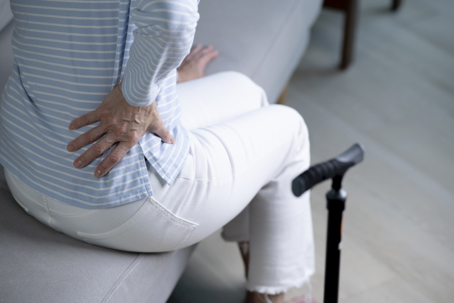
Placing a loved one in a nursing home is one of the hardest decisions a family can make. You trust that the staff will keep them safe, comfortable, and treated with dignity. But when falls happen — and they happen far too often — families are left wondering whether the facility did everything it was supposed to do. Sometimes a fall is a tragic accident. Other times, it is a sign of something more troubling: neglect. Knowing the difference can make all the difference for your family and your loved one's future care.
If you believe your loved one was injured due to nursing home neglect, do not wait — call us today at (844) 383-0565 or reach out through our online contact form for a free consultation.
How Common Are Falls in Nursing Homes?
Falls are among the most frequently reported incidents in long-term care facilities across the country. According to the Centers for Disease Control and Prevention (CDC), a typical nursing home with 100 beds reports between 100 and 200 falls each year. Many more go unreported.
For older adults, the consequences of a fall can be severe. Bones become more fragile with age, meaning that what might be a minor tumble for a younger person can result in a broken hip, a traumatic brain injury (TBI — meaning an injury to the brain caused by a sudden blow or jolt to the head), or even death for an elderly resident.
The gravity of these risks is exactly why nursing homes are required by law to take active steps to prevent falls — and why a fall may be far more than just an unfortunate incident.
Why Falls Happen — and When Facilities Are at Fault
Not every fall in a nursing home is the result of neglect. Some residents have medical conditions that make falls more likely, regardless of the level of care provided. However, many falls are preventable, and when a facility fails to take reasonable precautions, it may be legally responsible for the harm that results.
Understaffing
One of the leading causes of preventable falls is understaffing. When there are not enough caregivers on duty to monitor and assist residents, people who need help getting out of bed, walking to the bathroom, or moving from a wheelchair may attempt to do so alone. Facilities are expected to maintain staffing levels that allow them to adequately supervise and assist all residents in their care.
Failure to Assess and Manage Fall Risk
When a resident is admitted to a nursing home, the facility is required to conduct an assessment to determine how likely that person is to fall. This is called a fall risk assessment. Based on the results, the facility should put a plan in place — called a care plan — to address that risk. This might include installing bed rails, using non-slip footwear, or ensuring the resident gets regular help with mobility. When facilities skip these steps or fail to follow through on care plans, they leave residents in danger.
Unsafe Conditions
Wet floors, poor lighting, cluttered hallways, and improperly maintained equipment (like wheelchairs or walkers) are environmental hazards that facilities have a duty to address. If a resident falls because the floor was wet and unmarked, or because a faulty piece of equipment gave way, the facility may bear responsibility.
Medication Mismanagement
Many medications — including blood pressure drugs, sleep aids, and antidepressants — can cause dizziness, drowsiness, or balance problems. Nursing homes are responsible for monitoring how medications affect their residents and adjusting care plans accordingly. When a resident's medication side effects are ignored or overlooked, falls become much more likely.
Warning Signs That a Fall May Involve Nursing Home Abuse or Neglect
If your loved one has fallen in a nursing home, it is natural to have questions. Some situations call for a closer look. The following warning signs may suggest that the fall was not simply an accident.
Here are some red flags to watch for after a nursing home fall:
- Your loved one fell more than once in a short period of time, and the facility did not update their care plan or take new preventive steps
- Staff cannot clearly explain the circumstances of the fall or give conflicting accounts of what happened
- The facility delayed notifying you or was vague about the extent of your loved one's injuries
- Your loved one reports being left alone for long periods or having to wait for help when they needed to get up
- You notice hazards in the facility — wet floors, poor lighting, or broken equipment — that were not addressed
- Medical records show your loved one's fall risk was identified but no preventive plan was in place
- The injury is inconsistent with the explanation given by the staff
These warning signs do not automatically prove negligence, but they do warrant serious attention. If several of these apply to your situation, consulting with a Pittsburgh personal injury attorney can help you understand what your options are.
What Nursing Homes Are Legally Required to Do
Nursing homes that receive Medicare and Medicaid funding — which includes most facilities in Pennsylvania — must comply with federal regulations set by the Centers for Medicare & Medicaid Services (CMS). These rules require facilities to provide each resident with the care and services necessary to reach or maintain their highest practicable level of physical and mental well-being.
Specifically, this means nursing homes must:
- Conduct individualized fall risk assessments for every resident
- Develop and follow a written care plan that addresses each identified risk
- Maintain adequate staffing to supervise and assist residents
- Keep the environment free from known hazards
- Document and report falls promptly and accurately
- Reassess residents after a fall and update care plans as needed
When a facility falls short of these obligations and a resident is harmed as a result, that failure may form the basis of a nursing home abuse or neglect claim. Pennsylvania law allows injured residents and their families to pursue compensation for medical expenses, pain and suffering, and other losses related to the injury.
After a fall, the actions families take in the following days and weeks can be critical to any future legal claim.
Steps to Take If Your Loved One Falls in a Nursing Home
Knowing what to do in the aftermath of a fall can feel overwhelming, especially when you are already worried about your loved one's health. Here are some practical steps to take right away.
Request and Review All Documentation
Ask the nursing home for the incident report related to the fall, as well as your loved one's current care plan and any recent assessments. You have the right to access these records. Review them carefully for any gaps or inconsistencies.
Document Everything Yourself
Take photos of the injury and, if possible, the location where the fall occurred. Write down what staff members tell you and the dates and times of those conversations. This kind of personal documentation can be valuable later.
Seek Medical Attention
Make sure your loved one receives a thorough medical evaluation, even if the injury appears minor. Some serious injuries — like a slow brain bleed — may not show obvious symptoms right away.
Consider Reporting the Incident
Falls resulting from neglect can be reported to the Pennsylvania Department of Health, which oversees nursing home licensing and compliance in the state. This can prompt an inspection of the facility and help protect other residents as well.
Talk to a Pittsburgh Personal Injury Attorney
An attorney who handles nursing home abuse cases can review the circumstances of the fall, examine the facility's records, and help you determine whether neglect played a role. Many families are unaware of their legal rights until they speak with someone who can walk them through the process.
How a Legal Claim Can Help Your Family
When a nursing home's negligence injures a resident, a legal claim serves a purpose beyond financial recovery. Holding a facility accountable sends a message that the standard of care matters — and it can help drive real changes that protect other residents in the future.
In a nursing home neglect case involving a fall, compensation may cover expenses like emergency medical care, hospitalization, rehabilitation, ongoing medical treatment, and pain and suffering. In cases involving a wrongful death, surviving family members may be able to pursue a claim on behalf of their loved one.
It is worth noting that Pennsylvania has a statute of limitations — a legal deadline — for filing personal injury and nursing home neglect claims. Generally, you have two years from the date of the injury to file a lawsuit. Waiting too long could mean losing the ability to pursue a claim altogether, which is why acting promptly is important.
Talk to a Pittsburgh Personal Injury Attorney About Nursing Home Falls
If someone you love has been hurt in a nursing home fall, you do not have to navigate this alone. Robert Peirce & Associates, P.C. has spent decades standing up for Pennsylvania families facing some of the hardest moments of their lives. Our team understands how much is at stake — not just financially, but emotionally — and we are here to listen, answer your questions, and help you decide on a path forward.
To speak with a Pittsburgh personal injury attorney about a potential nursing home abuse or neglect case, call us at (844) 383-0565 or contact us through our online contact form. There is no cost for an initial consultation, and you will never owe us a fee unless we reach a favorable outcome in your case.