
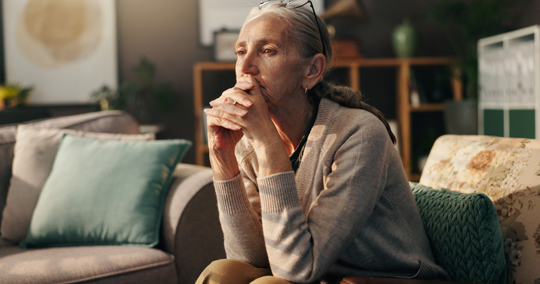
When you place a loved one in a nursing home, you expect their basic needs to be met every single day. Food and water seem like the most basic needs of all, yet poor nutrition is one of the most common problems in care facilities across the country. Many families do not notice the warning signs until real harm has already been done.
If you suspect your loved one is not getting the food or care they need, do not wait. Call (844) 383-0565 or fill out our online contact form today to talk with someone who can help.
What Poor Nutrition Really Means in a Care Setting
Poor nutrition happens when a person's body does not get enough of the right nutrients to stay healthy. This can mean too little food overall, or it can mean meals that are missing important vitamins, protein, or fluids. In a nursing home, this problem often builds slowly and quietly over weeks or months.
Older adults already face a higher risk of poor nutrition because of slower digestion, medication side effects, and chewing or swallowing problems. When a facility is understaffed or careless, these normal risks can turn into serious harm. Families are often the last to know because visits are short and residents may not want to complain.
Why This Problem Is Connected to Nursing Home Abuse
Poor nutrition is not always an accident. In some cases, it is a sign of neglect, which is a form of nursing home abuse. Neglect happens when a facility fails to provide the basic care a resident needs, whether that failure is due to low staffing, poor training, or simple carelessness.
A facility has a duty to check on each resident's eating habits, weight, and hydration on a regular basis. When staff skips meals, ignore feeding assistance requests, or fail to report changes to a doctor, that failure can cross the line from an honest mistake into neglect. Recognizing this connection matters because it changes how a family should respond.
Physical Signs Families Often Miss
Weight loss and other physical changes can be easy to overlook, especially if visits are infrequent or a resident is often covered by loose clothing or blankets. Some signs develop slowly, which makes them even easier to dismiss as normal aging. Knowing what to look for can help you catch a problem early.
Here are some physical signs that may point to poor nutrition:
- Noticeable weight loss over a short period of time
- Loose-fitting clothing, rings, or dentures that no longer fit
- Dry skin, brittle nails, or hair that is thinning or falling out
- Slow healing of cuts, bruises, or bedsores
- Frequent dizziness, weakness, or confusion
- Swelling in the legs or feet, which can signal poor fluid balance
These signs on their own do not always mean abuse or neglect is happening. However, when several signs appear together or get worse over time, it is worth asking direct questions and requesting a full check on your loved one's care plan.
Behavioral and Emotional Signs to Watch For
Nutrition problems do not only show up in the body. They often affect mood, energy, and behavior as well. A resident who once seemed cheerful may become withdrawn, irritable, or unusually quiet during your visits.
Watch for changes such as low energy during normal activities, trouble focusing on conversations, or a sudden lack of interest in meals or hobbies they used to enjoy. Some residents may also seem anxious around mealtimes or hesitant to talk about the food they are given. These emotional shifts are easy to blame on aging or illness, but they deserve a closer look.
Warning Signs Around Mealtime and Staff Behavior
Sometimes the clearest clues appear during meals themselves. Paying attention to how staff interact with residents at mealtime can reveal a lot about the quality of care being provided.
Consider watching for these warning signs during a visit:
- Meal trays left out of reach for residents who need help eating
- Food that looks untouched or is removed quickly without notice
- Staff rushing through feeding assistance or skipping it altogether
- No visible effort to accommodate chewing, swallowing, or dietary restrictions
- Residents asking for water or snacks that never seem to arrive
- Little or no documentation of a resident's food and fluid intake
If you notice these patterns more than once, it may be time to ask facility staff for a copy of your loved one's care plan and recent weight records. A pattern of neglect is far more concerning than a single missed meal.
Steps Families Can Take Right Away
Once you notice possible signs of poor nutrition, taking action quickly can protect your loved one from further harm. Start by having a calm, direct conversation with nursing home staff about your concerns.
Ask to see recent weight logs, meal records, and any notes from the facility's dietitian or doctor. Request a care plan meeting if one has not been scheduled recently, since this is where staff are required to explain how they plan to address any changes in health. Keep your own written notes with dates, details, and photos if appropriate, since this record can help you track patterns over time.
Why Documentation Matters So Much
Detailed records can make a real difference if a nutrition problem turns out to be part of a larger pattern of neglect. Facilities are required by law to keep records of weight checks, meals, and any changes in a resident's condition.
If those records are missing, inconsistent, or do not match what you have observed in person, that gap itself can be an important warning sign. Keeping your own timeline alongside facility records gives you a clearer picture of what has actually been happening.
When to Speak With a Pittsburgh Personal Injury Lawyer
Not every nutrition concern requires legal action, but some situations go beyond a simple misunderstanding. If you believe your loved one has suffered real harm because of neglect, speaking with a Pittsburgh personal injury lawyer can help you understand your options.
A lawyer familiar with nursing home cases can help you gather medical records, review staffing history, and determine whether the facility failed to meet its legal duty of care. This process can feel overwhelming on your own, especially while you are also focused on your loved one's health and recovery.
Protecting Your Loved One Starts With Watching Closely
Poor nutrition in a nursing home is often quiet, which is exactly why it is so easy to miss. Regular visits, honest conversations with staff, and a willingness to ask questions can make a real difference in catching problems early. Trusting your instincts matters, especially when something about your loved one's health does not add up.
If you believe your loved one has experienced poor nutrition or nursing home abuse in the Pittsburgh area, Robert Peirce & Associates, P.C. is ready to listen and help you understand your next steps. Call (844) 383-0565 or reach out through our online contact form to talk with our team about your family's situation.