
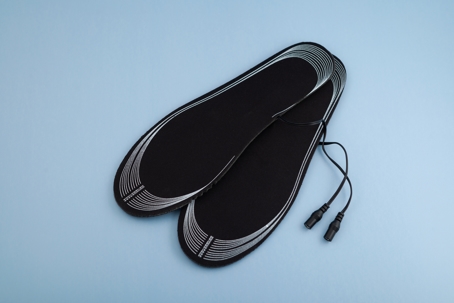
Robert Peirce & Associates, P.C. is currently investigating potential claims involving heated insoles and rechargeable foot warmers after reports that some of these products have overheated, ignited, or exploded during normal use, causing severe burn injuries to users’ feet and lower legs.
These battery-powered inserts are often marketed for outdoor work, hunting, skiing, and other cold-weather activities. But when a product contains a lithium-ion battery and heating components, and is worn inside a shoe or boot, failures can be especially dangerous because heat and flames can become trapped against the skin.
We are reviewing potential cases involving incidents such as:
- Heated insoles that caught fire or exploded while being worn
- Devices that overheated unexpectedly, even on standard settings
- Burn injuries requiring emergency care, wound treatment, or skin grafting
- Products sold online, including through large marketplaces, and marketed as safe for routine cold-weather use
Reports of Serious Burn Injuries During Normal Use
Lawsuits, consumer complaints, and medical reports describe incidents where heated insoles allegedly caught fire or exploded while being used exactly as advertised.
In one newly filed federal lawsuit, a woman alleges that heated insoles purchased through Amazon’s platform ignited shortly after she inserted them into her boots, causing severe burns requiring emergency treatment. The lawsuit contends the product was defectively designed or manufactured and that consumers were not adequately warned of the risk.
In addition, burn specialists have reported treating patients with deep, full-thickness burns after lithium-ion batteries inside heated insoles experienced what physicians describe as thermal runaway—a rapid chain reaction that causes a battery to overheat and release extreme energy within seconds.
Doctors have emphasized that lithium-ion-related burn injuries can be particularly severe because of the temperatures involved and the fact that the heat source may remain in contact with the skin longer, especially when the device is worn inside footwear. Burns to the feet can involve a long recovery and may create lasting sensitivity and mobility issues.
Regulatory Warnings and Growing Safety Concerns
Federal regulators have issued warnings about certain heated insole products after reports of fires and burn injuries, including second- and third-degree burns. The U.S. Consumer Product Safety Commission (CPSC) has published warnings for some brands, including iHeat and Tajarly.
That said, reports of injuries and developing litigation suggest the risk may not be limited to a single manufacturer. Many of these products share the same basic hazard: a lithium-ion battery worn in a confined space where heat cannot dissipate quickly, increasing the potential for a severe burn if the device fails.
For reference, CPSC warnings include:
Potential Product Liability Claims
Manufacturers, distributors, and sellers have a legal duty to ensure consumer products are reasonably safe when used as intended. When heated insoles overheat, ignite, or explode during normal use, injured consumers may have grounds to pursue product liability claims, including claims based on:
- Defective design or manufacturing
- Failure to warn of known or foreseeable risks
- Negligent marketing or distribution
- Inadequate safety testing or quality control
Depending on the circumstances, liability may extend beyond the manufacturer to include online marketplaces, distributors, or other entities involved in bringing the product to consumers.
Victims may be entitled to compensation for medical expenses, pain and suffering, lost income, long-term impairment, or permanent disability.
Do I Have a Heated Insole or Foot Warmer Injury Case?
Because investigations into heated insoles and battery-powered foot warmers are still developing, there is no one-size-fits-all answer. However, you may have a potential claim if one or more of the following apply:
- You suffered burns or fire-related injuries while wearing heated insoles or foot warmers
- The device overheated, ignited, or exploded during normal use
- You were using the product as instructed, without modifying it
- The injury required medical treatment, such as emergency care, wound treatment, or skin grafts
- The product used a rechargeable lithium-ion battery and was worn inside footwear or clothing
Even if a product has not been formally recalled, it may still be defective or unreasonably dangerous. Speaking with an attorney can help preserve evidence and determine whether manufacturers, sellers, or distributors may be legally responsible.
What If My Injury Happened Months Ago?
Product liability claims often involve long-term medical consequences and time is usually available to investigate legal options.
Even if your injury did not happen recently, it may still be worth having your situation reviewed, especially as new lawsuits, recalls, or safety warnings emerge.
How Robert Peirce & Associates, P.C. Can Help
For more than 40 years, Robert Peirce & Associates, P.C. has represented individuals and families harmed by defective products and dangerous consumer devices. Our attorneys have extensive experience investigating complex product liability claims involving fires, explosions, and severe burn injuries.
If you or a loved one suffered burns or other injuries after using heated insoles, foot warmers, or other battery-powered wearable devices, our firm is available to review your situation and explain your legal options.
Call (844) 383-0565 or contact us online for a FREE and confidential consultation.