
Surgical procedures are meant to improve health and save lives, yet mistakes can and do happen. While many people associate surgical errors with mistakes made in the operating room, hospitals can also contribute to these errors through neglect or oversight outside of surgery itself. Understanding how these errors occur and what recourse is available is crucial for patients and families affected by medical malpractice.
If you or a loved one has been harmed by a surgical error, contact us immediately via our online contact form or call (844) 383-0565 to speak with an experienced professional.
Understanding Surgical Errors Beyond Surgery
Surgical errors are not limited to the act of surgery. Hospitals are responsible for maintaining safe procedures before, during, and after surgery. Failures in these areas can result in harm comparable to mistakes made in the operating room.
Common areas where errors occur outside the operating room include:
- Medication mistakes, such as incorrect dosage, timing, or medication type.
- Miscommunications between hospital staff, leading to missed tests or delayed procedures.
- Inadequate monitoring of vital signs or post-surgical complications.
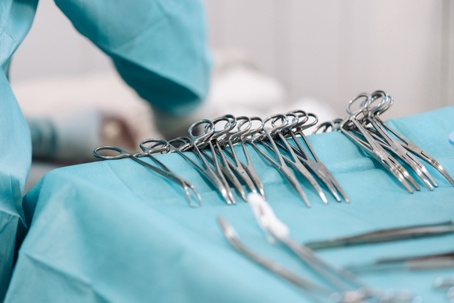
- Improper sterilization or handling of surgical equipment.
These errors often occur due to systemic problems in hospital procedures rather than the negligence of a single individual. Recognizing these issues is essential for identifying medical malpractice.
How Hospitals Contribute to Medical Malpractice
Hospitals have established protocols to ensure patient safety. When these protocols are ignored or inadequately followed, the risk of harm increases. Medical malpractice can stem from:
Medication Errors
Medication mistakes are one of the most common types of surgical errors outside the operating room. Administering the wrong drug or dose can cause severe complications, delay recovery, or worsen existing conditions.
Communication Failures
Breakdowns in communication between doctors, nurses, and other healthcare professionals can result in incomplete information, leading to errors in patient care. Hospitals are responsible for ensuring clear, accurate, and timely communication.
Monitoring and Post-Operative Care
After surgery, patients require monitoring for potential complications. Inadequate follow-up care, insufficient vital sign checks, or missed symptoms can lead to serious injuries or even death. Proper protocols exist to minimize these risks, and failure to adhere to them may constitute malpractice.
Recognizing Signs of Surgical Negligence
Patients and their families may notice certain warning signs that suggest errors have occurred, including:
- Unexpected complications or worsening conditions after surgery.
- Receiving conflicting information from hospital staff.
- Delays in receiving medications or tests that were ordered.
- Unexplained infections or reactions at the surgical site.
While not every adverse outcome indicates malpractice, these signs should prompt further investigation.
Steps to Take if You Suspect Surgical Errors
If you believe a surgical error has occurred, taking action promptly can help protect your rights:
- Document everything: Keep detailed notes of medical visits, prescriptions, and communications.
- Request your medical records: Hospitals are legally obligated to provide access.
- Consult a Pittsburgh personal injury attorney: Legal guidance is essential in understanding your options and potential claims.
Working with a knowledgeable attorney can help navigate the complex medical and legal information required to pursue a claim.
How a Pittsburgh Personal Injury Attorney Can Assist
A qualified attorney can help in several ways:
- Investigating the case: Reviewing medical records and hospital protocols to identify breaches in standard care.
- Identifying responsible parties: Determining whether negligence lies with hospital staff, administration, or both.
- Explaining your legal options: Helping you understand the potential for medical malpractice claims and next steps.
By consulting with an attorney experienced in medical malpractice, patients can make informed decisions about pursuing legal recourse.
Seeking Support and Legal Guidance for Surgical Errors in Pittsburgh
Dealing with surgical errors can be overwhelming. Support from qualified legal professionals ensures you are not navigating this process alone. Robert Peirce & Associates, P.C. is available to guide you through the complexities of medical malpractice claims. Reach out via our online contact form or by calling (844) 383-0565 to discuss your situation with someone who understands the challenges you face.